
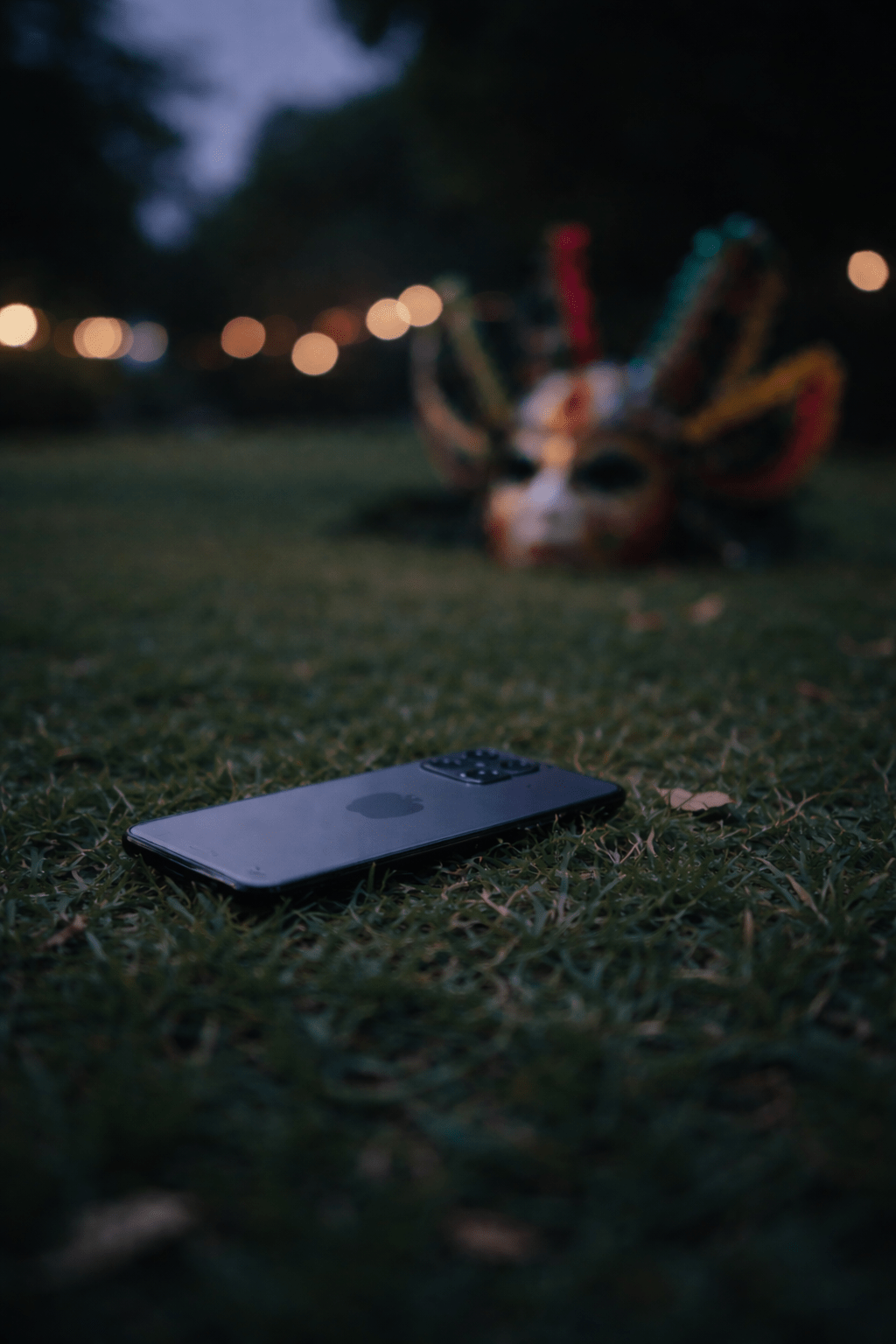
We live in a time when being digitally present feels automatic. We post, we react, we comment. We check our phones almost without thinking. In just twenty years, social media hasn’t only changed how we communicate; it has changed how we see ourselves.
A few weeks ago, I read about a Bolivian singer who had left social media for a month. When she returned, she wrote that she had chosen calm over chaos.
Shortly after, I suspended my social media accounts. All of them. Including LinkedIn.
It wasn’t an announcement or a public gesture. It was a real blackout. No posting. No scrolling. No notifications. No noise.
I wasn’t trying to disappear. I wanted to shift something in the way I was thinking. I had been overly exposed to constant stimuli — breaking news, instant opinions, small doses of dopamine distributed throughout the day.
When that flow stopped, something shifted.
My attention became less fragmented. I could remain with the same idea longer. Read without jumping. Write without urgency. Even simple things — mowing the lawn, watching television — were no longer interrupted by the automatic impulse to check my phone every few minutes.
It wasn’t only discipline. It was chemistry. When you stop chasing quick dopamine, focus deepens. And when focus deepens, thinking changes.
My relationships shifted too. I spoke on the phone with people in Bolivia. I met friends in Miami in person. The ones who matter showed up anyway.
There were losses, of course.
I stopped following economic and technology news in real time. Developments in artificial intelligence. Conversations I usually track out of professional interest or curiosity. I also lost that feeling of being “up to date.”
In my professional world, information has value. Disconnecting means accepting that cost.
Around day ten, I realized something else: our digital presence is not as decisive as we think. Some people noticed my absence. Others didn’t. We live somewhere between the illusion of relevance and the reality of our actual scale.
Certain moments made that difference visible. This year I didn’t experience Carnival in Bolivia the way I usually do. No stories amplifying the music. No familiar scenes appearing in my feed. It was a different kind of silence. The same happened when my kids and I won a championship in Miami. In another moment, it would have become a real-time digital celebration. This time it was intimate. Complete. Undocumented.
I’m not saying one is better than the other. Only that they are different.
The silence created space. Returning to photography. Writing without urgency. Thinking carefully about what I want luiscanedo.com to become — and what kind of presence I want to have online.
Because the real question isn’t whether I should be present. The question is why.
Real dilemmas surfaced: being fully open and narrowing my digital circle, or writing more neutrally and keeping everyone. Building community or maintaining distance. Being strategic or being authentic. None of these are simple choices.
A broader reflection emerged as well. In just two decades, social media reshaped our relationship with information, reputation, and identity. And now artificial intelligence is beginning to do something similar — quietly, and perhaps without us fully noticing.
But that is another conversation.
What became clear is that a digital legacy isn’t built through accumulation, but through intention. Thirty days don’t answer every question. But they make it possible to ask them more honestly.
This relaunch of the site comes from that space.
The blackout ends today.
I return to social media.
I return to this page.
With a clearer question than before.
What kind of life am I building?
 Luis Canedo©
Leave a comment